
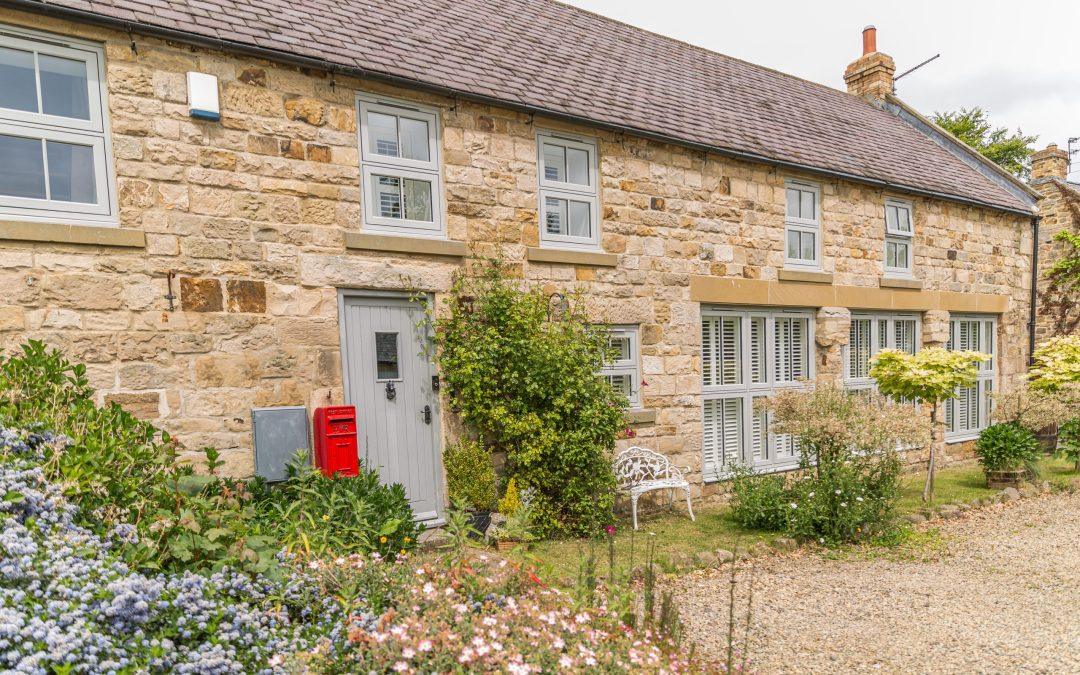
Replacing your windows is one of the most impactful improvements you can make to a North East home. The right glazing reduces heat loss, cuts draughts, lowers your heating bills, and transforms how your home looks from the street. The wrong choice leaves you with condensation problems, poor security, and frames that deteriorate within a few years.
Hawthorns Windows has been installing replacement windows across Newcastle, Gateshead, Sunderland, Durham, and Northumberland since 1989. This guide covers what actually matters when choosing new glazing for a property in this region.
Why Does the North East Demand More From Your Windows?
The North East has some of the most demanding weather conditions in England. Average winter temperatures sit lower than the national mean, coastal and elevated properties face sustained wind exposure, and driving rain from the east is a regular occurrence. Windows that perform adequately in the south of England may not hold up here.
That means frame rigidity, weather sealing, and thermal performance are not optional extras. They are baseline requirements. According to the Energy Saving Trust, heat loss through windows accounts for around 10% of a typical home’s total heat loss. In older properties with single glazing or failed double-glazed units, that figure can be considerably higher.
What Makes a Window Energy Efficient?
Three components determine how well a window retains heat.
Low-emissivity glass carries an invisible metallic coating that reflects warmth back into the room. Argon gas between the panes insulates better than air because it is denser and conducts heat more slowly. The frame profile itself plays a role too. Modern multi-chambered UPVC frames trap air within the profile to reduce heat transfer through the frame, which is where older single-chamber designs lose performance.
Windows sold in the UK carry a rating from the British Fenestration Rating Council, graded from G (poorest) to A++ (best). In 2026, most quality installations achieve an A rating or above as standard.
Which Window Style Suits Your Home?
The style of window you choose affects how your home looks, how it ventilates, and how easy the windows are to clean and maintain. There is no single best option. It depends on your property type, your preferences, and any planning constraints.
Casement windows are the most common choice across the North East. They hinge at the side or top and open outward, offering a clean sightline and straightforward operation. Flush sash frames sit flat against the outer frame rather than overlapping it, giving a more traditional appearance that works particularly well on older terraced and semi-detached houses.
For period properties, vertical sliding sash windows replicate the proportions of original timber sashes while using modern UPVC or timber-look materials. Tilt-and-turn windows are practical for upper floors where external cleaning access is limited.
We have covered the practical differences in more detail in our guide to window types and which suits your home.
How Do You Know When Your Windows Need Replacing?
There are a few clear signs. Condensation forming between the panes rather than on the surface means the sealed unit has failed and the gas fill has escaped. Draughts around the frame edges suggest the seals have perished or the frame has warped. Difficulty opening or closing windows points to hardware wear or frame distortion.
If your double glazing was installed before the early 2000s, the glass coatings and gas fills are almost certainly underperforming compared to what is available now, even if the frames still look acceptable. Our guide to condensation between double glazing panes explains what to look for and when replacement makes sense.
What About Security?
Modern UPVC windows come with multi-point locking systems as standard, engaging the frame at several points rather than relying on a single lock. Look for windows that meet PAS 24 security standards, which is the benchmark tested against common break-in methods.
If security is a priority across your full entrance, it is worth considering your front door alongside your windows. A coordinated upgrade improves both the look and the protection of your property as a whole.
Common Questions About Replacement Windows
Do I need planning permission to replace windows? Generally, no. Replacement windows on a like-for-like basis fall under permitted development. Exceptions include listed buildings and certain conservation areas in Northumberland and County Durham, where you may need consent for changes to materials or opening styles.
How long does a full house window replacement take? Most homes can be completed within two to three days, depending on the number of windows and the complexity of access. Each window typically takes a few hours from removal to completion.
How long should new windows last? A well-made UPVC window fitted correctly should last 20 to 25 years before sealed units or hardware need attention. The frames themselves often last longer.
See Our Work Across the North East
We have completed thousands of window installations across the region over the past 35 years. Browse our gallery of recent projects to see examples on properties similar to yours, or get in touch to arrange a visit to one of our North East showrooms.