
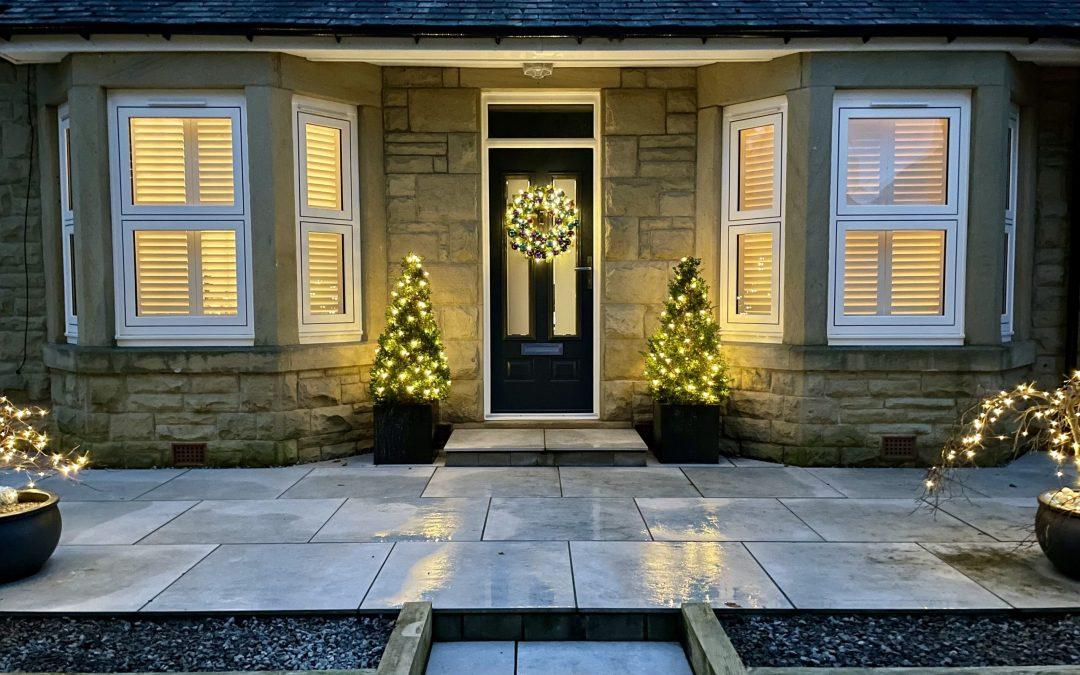
If your home feels cold near the windows even with the heating on, your glazing is likely the problem. Single-glazed and older double-glazed windows lose heat rapidly, forcing your boiler to work harder and pushing your energy bills up. Modern energy-efficient glazing uses insulated frames, argon gas-filled sealed units, and low-emissivity coatings to keep warmth inside your home, where it belongs.
For homeowners across Newcastle and the North East, where winters are long and temperatures regularly drop below freezing, the difference between outdated glazing and a modern A-rated window is significant. According to the Energy Saving Trust, replacing single glazing with double glazing can save around £100 per year on heating, and upgrading from older double glazing to a high-performance sealed unit delivers measurable improvements in both comfort and running costs.
How Does Energy-Efficient Glazing Actually Work?
The performance of a window comes down to how well it resists heat transfer. Three elements do the heavy lifting.
Low-emissivity glass has an invisible metallic coating that reflects radiant heat back into the room rather than letting it escape through the pane. Argon gas fills the gap between the panes and insulates more effectively than air because it conducts heat more slowly. The frame material matters too. Modern multi-chambered UPVC profiles trap pockets of air within the frame itself, adding another layer of insulation that older single-chamber frames simply cannot match.
Together, these components give a window its energy rating. In the UK, windows are rated from G (poorest) to A++ (best) under the British Fenestration Rating Council scheme. Most quality installations in 2026 sit comfortably at A or above.
What Difference Will You Actually Notice?
The first thing most homeowners notice is the absence of draughts. Cold spots near windows disappear, and rooms hold their temperature far more evenly. That means your heating cycles less frequently and your boiler is under less strain.
Noise is the second surprise. A well-sealed, gas-filled double-glazed unit significantly reduces external sound. If you live near a busy road or under a flight path, the difference is immediately obvious.
Condensation on the inside of your windows should also reduce or stop entirely once the inner pane stays closer to room temperature. If you are seeing condensation between the panes rather than on the surface, that is a different issue. It means the sealed unit has failed and the window needs replacing. We have written a separate guide on what condensation between your panes means and when to act.
Is It Worth Upgrading If You Already Have Double Glazing?
It depends on the age. Double glazing installed before 2002 is almost certainly underperforming by current standards. The gas fills degrade over time, seals perish, and the glass coatings used 20 years ago were far less effective than what is available now. If your windows are approaching that age and you are noticing draughts, misting, or difficulty opening and closing, an upgrade is worth exploring.
For homeowners considering the next step beyond standard double glazing, triple-glazed UPVC windows add a third pane and a second gas cavity. They are particularly effective in exposed or north-facing properties where heat loss is greatest.
Choosing the Right Window Style
Energy efficiency is not limited to one window type. Casement, flush sash, tilt-and-turn, and vertical sliding sash designs are all available with high-performance glazing as standard. The right choice depends on your property, your preferences, and any planning restrictions that apply. Our guide to window types covers the practical differences between each style.
If your property has period features or sits within a conservation area in Northumberland or County Durham, you may want to consider heritage-style flush sash frames that replicate traditional timber proportions while delivering modern thermal performance.
Common Questions About Energy-Efficient Windows
How long do energy-efficient windows last? A well-manufactured UPVC window installed correctly should last 20 to 25 years before the sealed units or hardware need attention. Frame lifespan is often longer.
Do I need planning permission to replace my windows? In most cases, no. Replacement windows fall under permitted development rights provided they match the general appearance of the property. Listed buildings and some conservation areas are exceptions.
Will new windows reduce my energy bills immediately? You should notice a difference in comfort straight away. The financial saving builds over each heating season. The Energy Saving Trust estimates that the payback on a full house of replacement glazing typically takes several years, depending on what you are replacing and the size of your property.
See the Difference for Yourself
We have been replacing windows across Newcastle, Gateshead, Sunderland, and the wider North East since 1989. If your current glazing is underperforming, browse examples of our completed window projects or get in touch with our team to arrange a no-obligation consultation at one of our showrooms.