
You’ve probably walked past the same window dozens of times before you noticed it – a foggy patch between the glass panes that won’t wipe off, no matter how hard you clean. At first, you might think it’s just dirt or condensation on the surface. But when you realise it’s actually trapped inside the window, between the two sheets of glass, the questions start: What’s causing it? Can I fix it myself? Do I need to replace the entire window?
This is one of the most common problems Newcastle and North East homeowners face with older double glazing, and the bad news is that it can’t simply be wiped away. The good news? Understanding what’s actually happening helps you make informed decisions about when to act.
This guide explains what condensation inside double glazing means, why it happens, whether it can be repaired, and when replacement becomes necessary. We’ll give you honest answers about urgency, so you can plan accordingly without unnecessary pressure.
What Does Condensation Inside Double Glazing Mean?
Condensation between double glazing panes is a clear sign that your window’s sealed unit has failed. To understand why, you need to know how double glazing works.
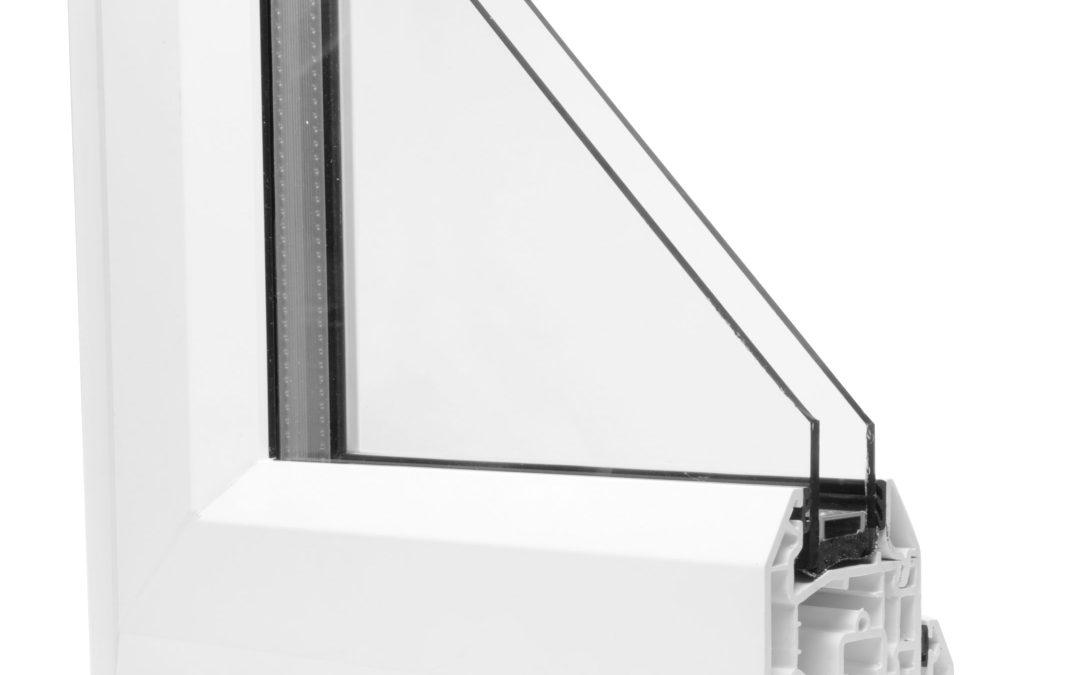
Double glazed windows consist of two panes of glass separated by a gap, typically 16– 20mm wide. This gap is sealed around the edges with a specialised material (usually silicone or rubber) to create an airtight chamber. Inside the spacer bar sits a desiccant material that absorbs any tiny amounts of moisture trapped during manufacturing. When everything works properly, this sealed unit provides insulation and prevents condensation from forming between the panes. The desiccant keeps the internal environment completely dry.
When you see condensation or a misty appearance between the glass, it means the seal has broken down. Moisture from the outside air has penetrated the unit, and the desiccant has become saturated. Once that happens, water vapour condenses on the inner surfaces of the glass, creating the foggy or wet appearance you can see but cannot reach.
This problem is often called ‘blown double glazing’ or ‘failed double glazing’ in the industry. In older properties across Newcastle, Gateshead and Durham, it’s particularly common. The age of existing windows combined with the region’s damp climate accelerates seal degradation.
What Causes Double Glazing Seals to Fail?
Several factors contribute to seal failure. Understanding them helps explain why even quality windows eventually develop this problem.
Age and natural deterioration is the primary cause. Double glazed units typically last 10–25 years, depending on the quality of materials and installation. The seals are constantly exposed to temperature changes, UV light and moisture, all of which gradually break down the materials. Cheaper rubber seals deteriorate faster than high-quality silicone alternatives.
Temperature fluctuations place significant stress on the seals. As the weather changes, the materials expand and contract at different rates. Over years of seasonal cycles, this movement weakens the bond, eventually creating tiny gaps where moisture can enter. The North East experiences substantial temperature variations between winter and summer, which compounds this issue.
Poor installation creates premature failure. If the sealed units weren’t fitted correctly (perhaps leaving gaps, applying uneven pressure, or failing to properly seal the frame junction), moisture can find its way in much sooner than expected. This is why choosing experienced installers matters.
Manufacturing defects occasionally occur, particularly with budget double glazing. Inadequate sealing during production, insufficient desiccant, or structural weaknesses in the spacer bar can lead to early failure. Most reputable manufacturers provide 10-year guarantees on sealed units for this reason.
The damp climate across Newcastle and the North East creates additional challenges. Properties in areas with high humidity see faster seal degradation than those in drier regions. Condensation on the outside of windows (which is actually a good sign of thermal efficiency) can also accelerate external seal deterioration over time.
Can Condensation Between Double Glazing Be Repaired?
The short answer is no. Once the seal has failed and moisture has entered the unit, it cannot be effectively repaired.
This is frustrating news for homeowners hoping for a quick, inexpensive fix. Understanding why helps explain the reality.
You might have seen suggestions about drilling small holes in the glass to ‘let the moisture out’ or inject drying agents. These DIY approaches don’t work for several reasons.
First, once the desiccant in the spacer bar becomes saturated, it cannot dry out and resume its moisture-absorbing function. Second, any holes drilled into the sealed unit compromise its structural integrity and thermal performance. Third, you cannot reseal the unit to the same airtight standard as the original manufacturing process.
What actually needs replacing is the sealed unit itself – the two panes of glass with the spacer bar between them. In most cases, you don’t need to replace the entire window. The work involves removing the failed sealed unit from the existing frame and installing a new one, provided the frame itself remains in good condition.
However, if your window frames show signs of rot, warping or damage, or if the windows are very old and other units are likely to fail soon, full window replacement might be more practical than replacing sealed units individually over several years.
The only exception to the ‘cannot be repaired’ rule involves windows still under warranty. If your double glazing is less than 10 years old, check your original guarantee. Many manufacturers will replace failed sealed units free of charge during the warranty period, though you’ll typically need to contact the original installer.
What Problems Does Blown Double Glazing Cause?
Misted double glazing isn’t an emergency requiring immediate action. Ignoring it does have consequences worth understanding, though.
Energy efficiency loss is the most significant practical impact. Once the seal fails, the insulating air or gas gap no longer functions properly. Heat transfers more easily through the window, making your home colder in winter and potentially warmer in summer. You’re essentially getting the thermal performance of single glazing, despite having two panes of glass.
This translates directly to higher heating bills. The exact increase depends on how many windows are affected and their size. Failed units can increase heat loss through windows by 50–70% compared to properly functioning double glazing. Over a cold Newcastle winter, that adds up.
Reduced soundproofing also occurs when the seal fails. Double glazing’s ability to dampen outside noise relies partly on the sealed air gap. Failed units allow more sound transmission, which is particularly noticeable if you live near busy roads.
The visual impact bothers many homeowners more than the technical problems. Heavy condensation between panes creates an unsightly foggy appearance. Over time, mineral deposits from the moisture can leave permanent cloudy marks or streaks on the internal glass surfaces. Windows look dirty no matter how much you clean them.
When Should You Replace Blown Double Glazing?
Failed double glazing isn’t an emergency, but timing matters for practical reasons.
Act within 3 to 6 months if energy bills concern you, especially with winter approaching, or if multiple windows are affected. Within 6 to 12 months works for single windows in less used rooms like spare bedrooms.
Replace sooner if:
- Heavy condensation is constant (complete seal failure)
- Mould is developing around frames or walls
- Multiple windows are failing (likely same age, replace together)
- You’re selling soon (visible during viewings)
- The foggy appearance bothers you daily
Don’t panic if replacement isn’t immediate. Unlike a leaking roof, failed double glazing won’t suddenly worsen. The costs are ongoing (higher heating bills) rather than catastrophic. Plan replacement when it suits your schedule, but don’t leave it indefinitely. Autumn is often ideal timing – installers are less busy, and new windows are ready before winter.
How to Prevent Double Glazing Seal Failure
All sealed units eventually fail with age, but quality choices extend their lifespan.
Choose quality from the start. Ask about seal materials (silicone outlasts rubber), spacer bar quality (warm-edge spacers perform better) and manufacturer warranties (10 years minimum). Choosing quality windows proven in the North East’s damp climate makes a significant difference.
Proper installation is crucial. Rushed fitting creates stress points where seals fail prematurely. Quality installation, appropriate sealants and perfectly square frames prevent early failure.
Maintain regularly. Clean seals with mild soapy water and inspect annually for cracks or gaps. Good home ventilation also helps – use extractor fans when cooking or showering to reduce moisture stress on seals.
Set realistic expectations. Even the best double glazing eventually fails. Fifteen to twentyfive years is excellent. If your windows are approaching this age, seal failure is normal wear and tear, not a defect. The North East’s damp climate means windows here face tougher conditions than drier UK regions.
Making the Right Decision for Your Home
Condensation between double glazing panes signals that the sealed unit has failed and moisture has entered the gap between the glass. This cannot be repaired through DIY methods or quick fixes. The sealed unit requires replacement to restore thermal performance and appearance.
Failed double glazing isn’t an emergency, but it does waste energy and increase heating costs. Addressing the issue prevents ongoing energy loss and restores your windows’ appearance and thermal performance.
For over 37 years, Hawthorns Windows has delivered high-quality window replacements across Newcastle and the North East. As a family-run company, we focus on reliable fitting, great finishes and long-term performance.