
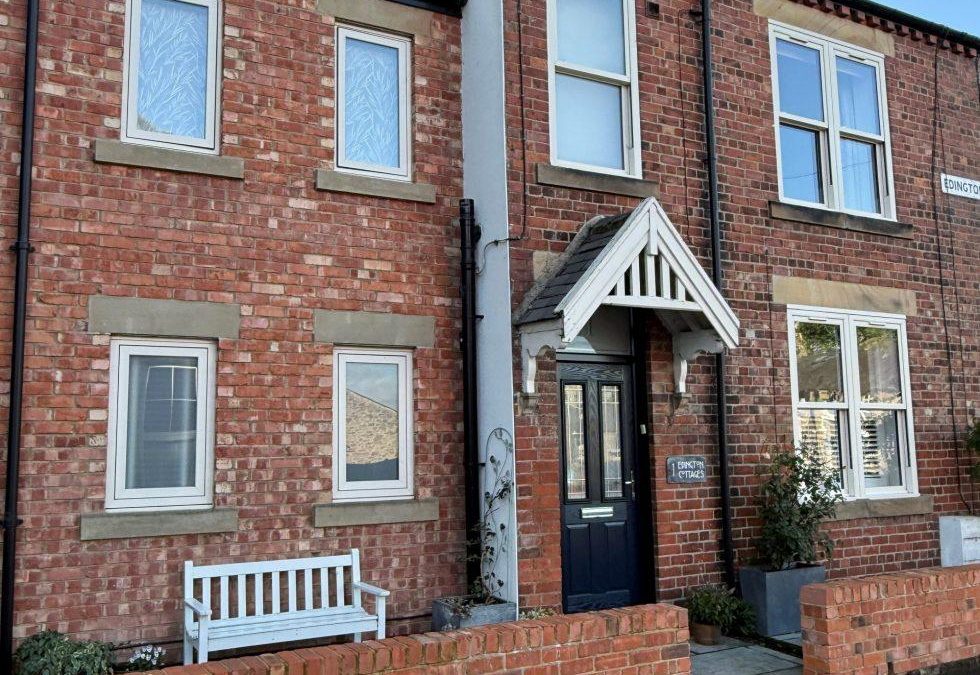
Choosing new windows isn’t just about double glazing and energy efficiency. The type of window you choose transforms how your home looks and can even affect your property value, especially in areas with period properties or conservation restrictions.
Understanding the five main window types helps you make the right choice for your property. Whether you’re replacing old windows or planning new installations, each style has distinct advantages for different property types and needs.
This guide explains the most popular window types available, which suits which property, and what to consider when choosing windows for your home.
Why Window Style Matters
Getting your window style right goes beyond aesthetics. The right choice should match your property’s character – a Victorian terrace looks best with traditional sliding sash windows, while a contemporary home suits modern casement windows. It also needs to suit your lifestyle, from how you want windows to open and ventilate your rooms to how easily you can clean them.
If you’re in a conservation area or own a listed building, planning requirements often restrict which styles you can install, so understanding your options early saves time and disappointment. Beyond compliance, sympathetic window choices that complement your home’s architecture add more value than mismatched styles that look out of place.
Our wet, windy North East climate means window style also affects practical matters like draughts, water ingress and maintenance needs. What works in sheltered southern England may not perform as well in exposed coastal Northumberland or windswept rural areas.
Main Window Styles Available
Casement Windows
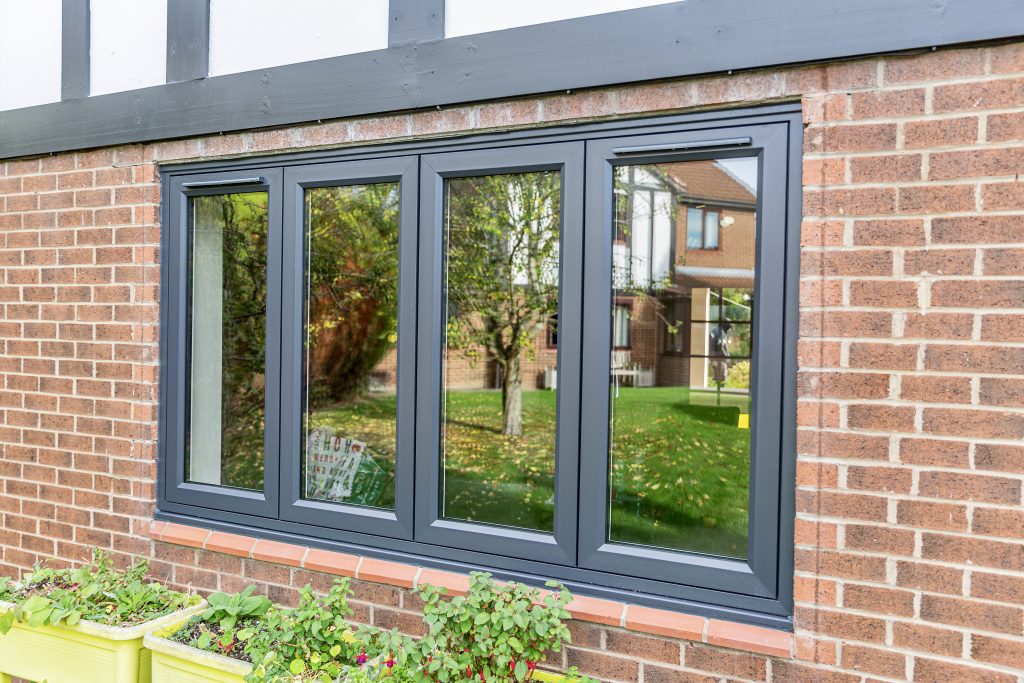
Casement windows are side or top hung and open outward on hinges. They’re the most common style in UK homes today, and for good reason. Opening outward using a handle, they can open fully for easy cleaning from inside and usually have one or two opening sashes with fixed panels alongside.
This style is best suited for modern homes and new builds, 1930s and post-war properties, contemporary extensions, and properties where maximum ventilation is important. You’ll find them in most modern developments and period properties from the 1930s onwards across the region.
The benefits are considerable: wide opening for excellent ventilation, easy cleaning since you can reach outside from inside, a modern and versatile appearance, excellent weatherproofing, and they’re the most cost-effective style. However, there are some trade-offs to consider. You can’t open them during rain without water coming in, opening outward means you can’t have window boxes, and they’re less suited to period properties like Victorian or Georgian homes where they can look out of place.
Hawthorns supplies casement windows in UPVC, timber and aluminium, so we can match the right material to your budget and property type once you’ve decided on the style.
Flush Sash Windows
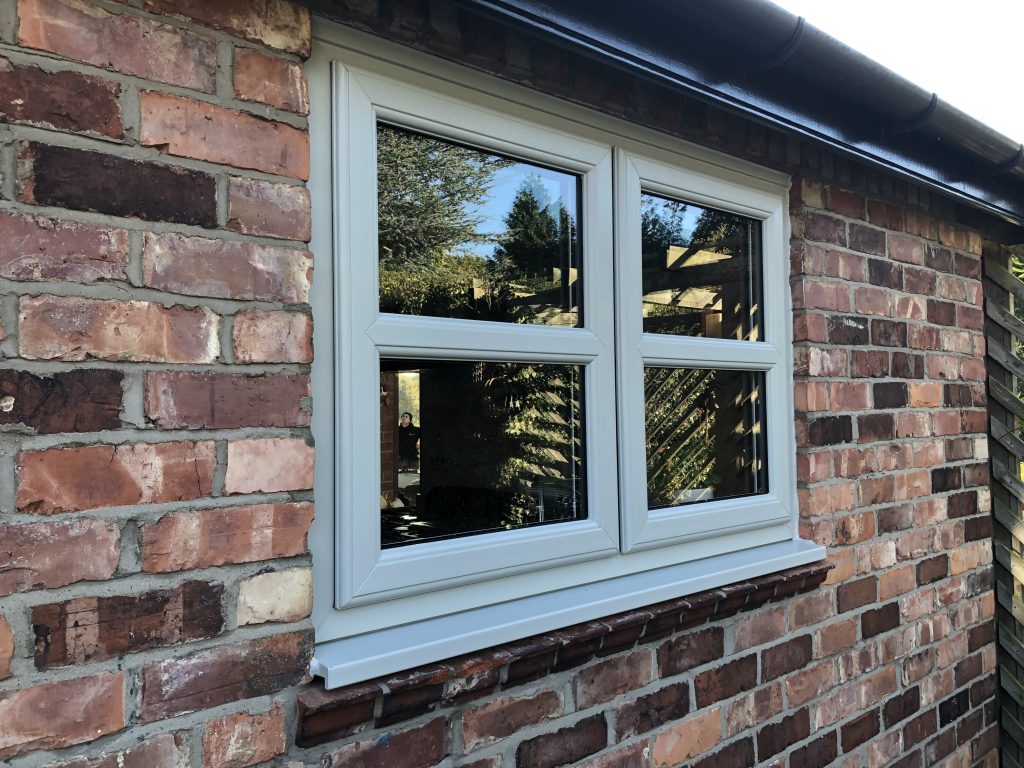
For North East homeowners who want a period look without the maintenance, flush sash windows are one of the most popular choices we install. These windows have opening sashes that sit flush with the outer frame when closed, creating a smooth, flat appearance that gives a traditional look with modern performance. While they open outward like casement windows, the flush design successfully replicates the look of traditional timber windows from the Georgian and Victorian eras.
This style works beautifully for period properties (Victorian and Edwardian), conservation areas, and character homes wanting an authentic appearance. They’re particularly suitable for properties in conservation areas where planning approval requires traditional aesthetics with modern performance.
The advantages include an authentic period property appearance combined with modern performance in energy efficiency and security. They’re often accepted in conservation areas, require low maintenance compared to old timber windows, and are available with decorative glazing bars for additional period authenticity.
Vertical Sliding Sash Windows
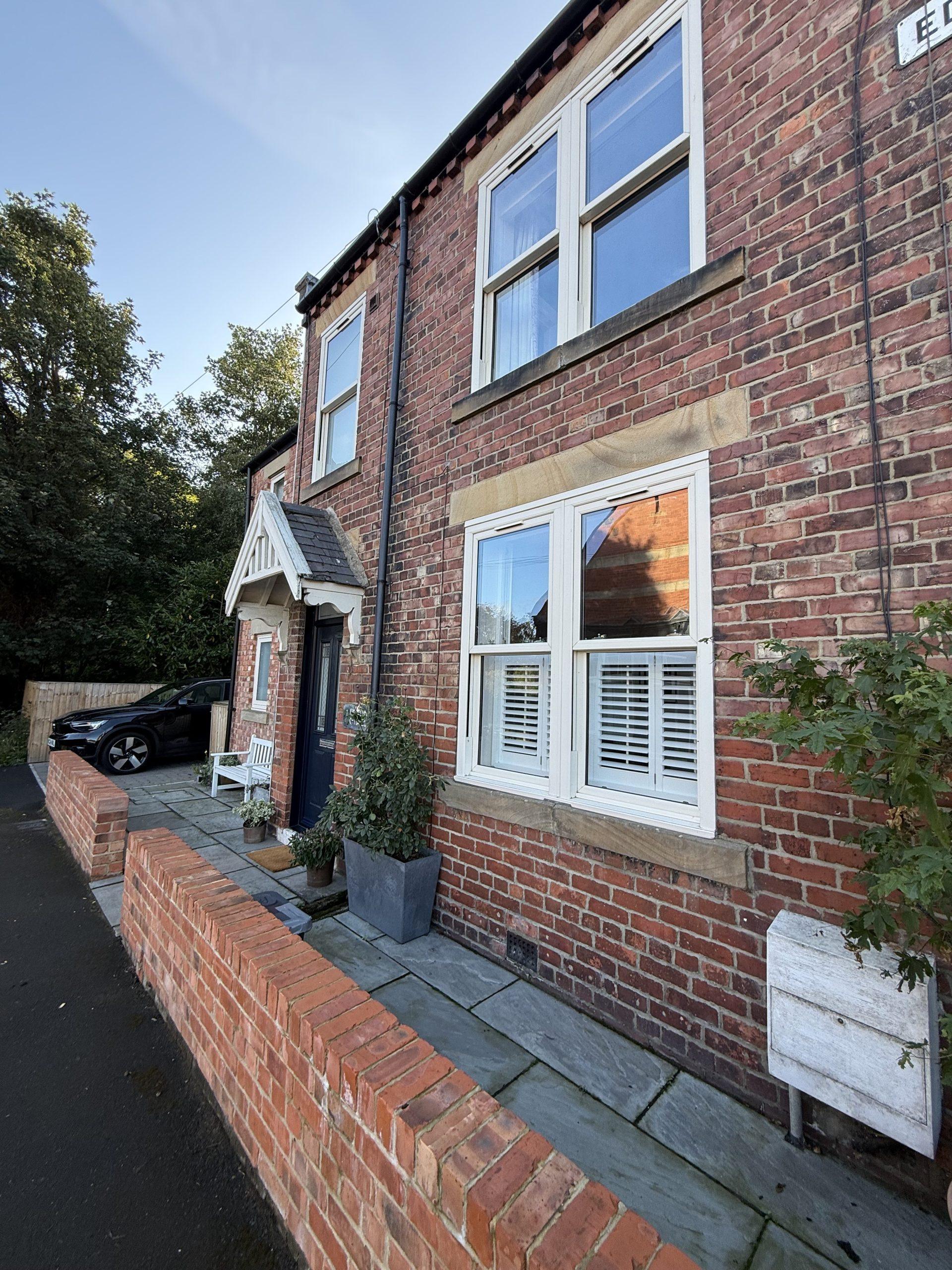
Traditional sliding sash windows are where the bottom panel slides upward to open, just like original Victorian and Georgian windows. Modern versions use spring balances instead of weights and pulleys, and some tilt inward for cleaning, making them far more practical than their historic predecessors while maintaining the authentic appearance.
These windows are essential for Victorian and Georgian properties, listed buildings, conservation areas with strict requirements, and period properties where authenticity is required for planning approval. Where planning or conservation rules insist on traditional appearance, we’ll usually recommend modern UPVC or timber sash that replicates the original look while improving efficiency.
The benefits are significant for period property owners. They provide authentic period appearance and operation, with both top and bottom sections opening for excellent ventilation. They don’t project outward, making them safe for upstairs windows, and they’re highly valued in period properties. Often they’re not just preferred but actually a planning requirement for listed buildings.
Tilt and Turn Windows
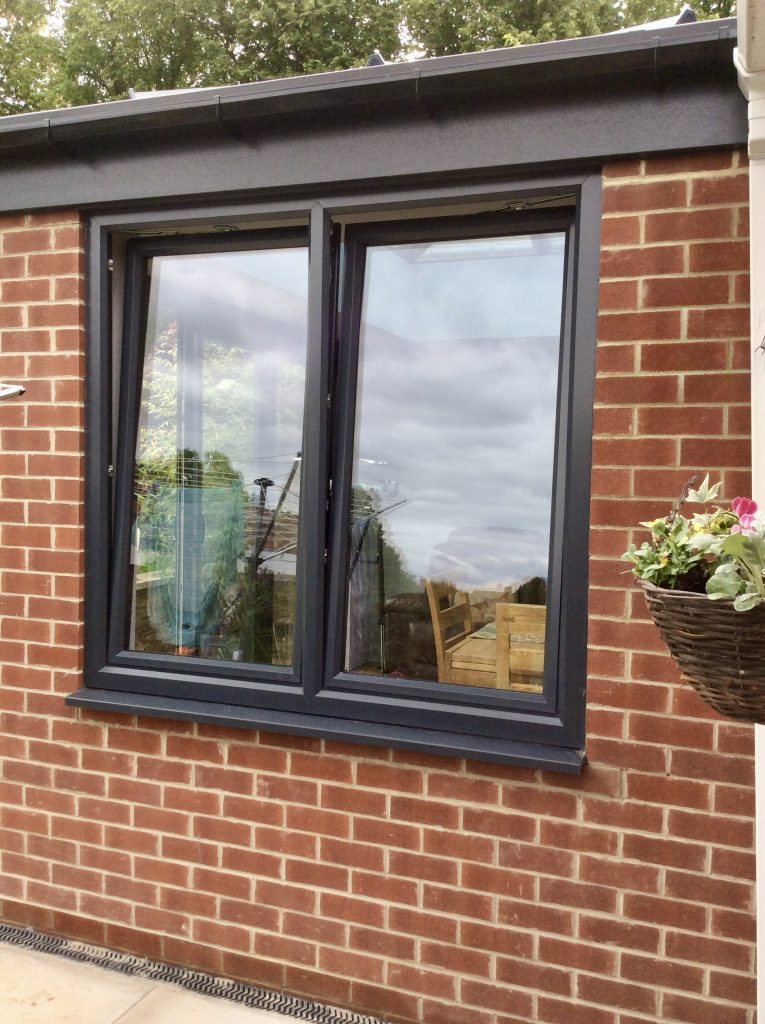
Tilt and turn windows bring European engineering to UK homes. These windows tilt inward from the top for ventilation or swing fully inward for cleaning and maximum ventilation, with one handle controlling both opening modes. Tilt them inward from the top for secure ventilation, or turn the handle and swing them fully inward like a door.
This style works particularly well for modern homes and apartments, upper floors where easy cleaning is important, properties needing secure ventilation, and contemporary extensions. They’re popular in modern apartment developments, contemporary new builds, and upper-floor bedrooms where cleaning access from outside would be difficult.
The advantages are compelling for the right properties. They’re extremely easy to clean since they open fully inward, offer secure ventilation in tilt mode that prevents entry, provide excellent weatherproofing, have a modern and minimalist appearance, and create no outward projection, making them ideal for flats and upper floors.
Bay Windows
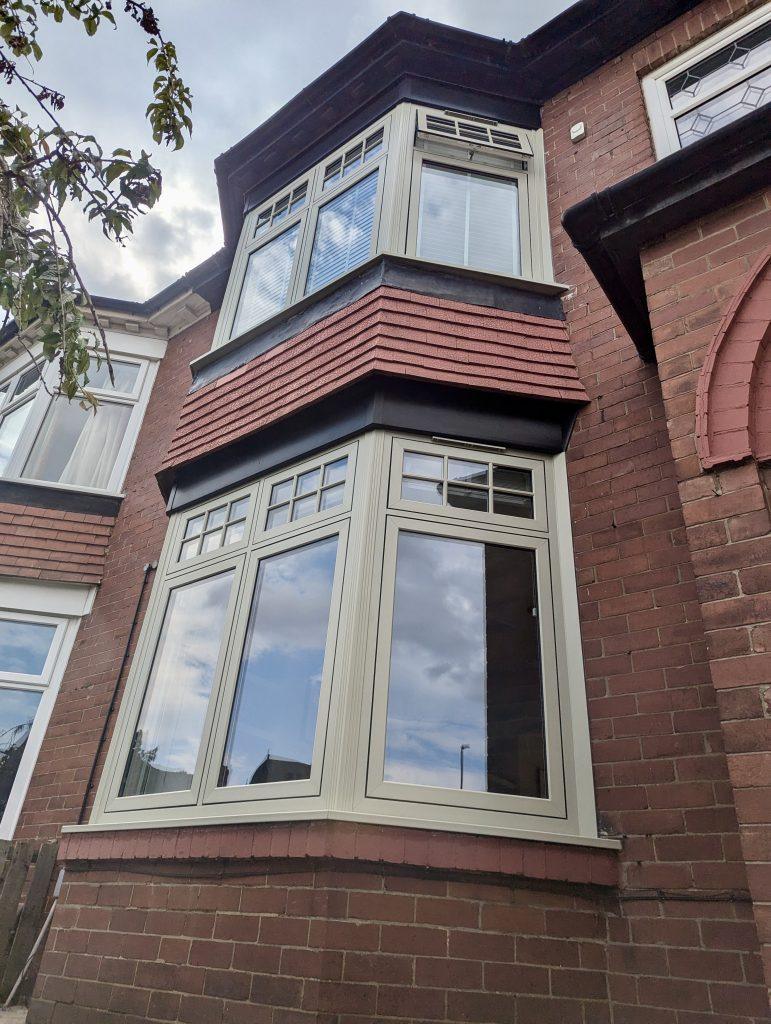
Bay windows project outward from the main wall, creating extra internal space and a distinctive architectural feature. They consist of three or more window panels set at angles (usually 30°, 45° or 90°) projecting from the building, with individual panels usually in casement or sash style depending on the property’s character.
These windows are best suited for Victorian and Edwardian properties, front rooms and living spaces, properties where maximising space and light is important, and character homes. They’re common in Victorian and Edwardian terraces and often found in 1930s semis as well.
Bay windows add architectural character while creating extra internal space and maximising natural light. They’re a highly valued feature in period properties and offer multiple window panels for various ventilation options.
How to Choose the Right Window Style
Match Your Property Type
Your property’s age and architectural style should guide your window choice. Victorian and Edwardian terraces look best with vertical sliding sash windows for authenticity, or flush sash windows if true sash isn’t feasible. Bay windows work beautifully for front rooms in these properties.
For 1930s semis, casement windows were most common in this era and remain the natural choice. If your property originally had bay windows, replacing them maintains character. Flush sash is also acceptable if you want a more period look.
Modern homes and new builds have more flexibility. Casement windows are the most versatile choice, while tilt and turn work particularly well on upper floors. Large picture windows with opening casements create a contemporary feel. Bungalows benefit from casement windows for easy cleaning access, or tilt and turn if cleaning from outside is difficult.
Consider Your Location
Newcastle has several conservation areas where you’ll need to check restrictions before choosing your style. Sliding sash or flush sash are often required, while modern casement may be rejected. Speaking to the planning department first saves disappointment and wasted expense.
Listed buildings face even stricter requirements, usually demanding timber sliding sash windows that replicate the originals. Planning consent is required, and professional advice is essential before proceeding.
Exposed coastal locations like the Northumberland coast and Tynemouth face particular challenges. Weatherproofing becomes critical, with casement windows generally offering the best seal. Consider storm-grade timber for longevity if choosing wood windows, while UPVC resists salt air corrosion better than some other materials.
Rural Northumberland properties enjoy more flexibility on style choice, though you should still consider your property’s age and character. Strong winds mean weatherproofing remains important even without the salt air challenges of coastal areas.
Think About Practical Needs
Cleaning access varies dramatically by style. Tilt and turn windows are best, opening fully inward for easy access. Casement windows are good, letting you reach outside from inside. Sliding sash can be harder unless you choose a tilt version, though modern designs have improved this considerably.
For maximum ventilation, casement windows win by fully opening, followed by sliding sash with both top and bottom opening. Tilt and turn offer moderate ventilation in tilt mode but full ventilation when swung open.
Security is excellent across all modern window styles. Tilt and turn offer secure ventilation mode, casement windows use multi-point locking, and sliding sash have travel restrictors and locks. The quality of installation and hardware matters more than the style itself for security.
If you live near busy roads or in the city centre, noise reduction may influence your choice. However, the style itself matters less than glazing type. All styles are available with acoustic glazing, though casement and tilt and turn offer the best seal when closed due to their modern compression gaskets. If you’re also looking to improve a cold conservatory, consider our war roof solutions for year-round comfort.
Planning Permission and Building Regulations
You usually don’t need planning permission if you’re replacing existing windows with similar style and materials in the same position. However, you usually do need it if your property is listed, is in a conservation area, you’re changing window size or position, or you’re altering the front elevation in some areas.
It’s always worth checking with Newcastle City Council’s planning department before replacing windows if you’re unsure about your property’s status. A five-minute phone call can save weeks of delay and potential enforcement issues.
Even without planning permission, new windows must meet current Building Regulations for energy efficiency (U-values), safety (opening restrictors, safety glass), and ventilation requirements. Reputable installers handle Building Regulations compliance as part of their service. Windows should be FENSA-registered or covered by Building Control sign-off.
Hawthorns’ Experience With Window Styles Across the North East
For over 37 years, Hawthorns Windows has installed windows across Newcastle and the North East, from period properties to modern developments and coastal homes. This experience means we understand which window styles suit which property types, navigate local conservation area requirements and planning considerations, know how North East weather affects window performance and longevity, and can match authentic period styles with modern performance.
Whether you’re restoring a listed building, updating a 1930s semi or building a contemporary extension, we’ll help you choose the window style that complements your property and meets your practical needs. Our approach is straightforward: assess your property honestly, explain your options clearly, and let you make an informed decision without pressure.
How Hawthorns Can Help You Choose
Choosing the right window style depends on your property type, location, budget and planning requirements. There’s no single right answer that works for everyone, which is why a professional survey makes such a difference.
A survey from our team gives you an assessment of which styles suit your property type, explanation of any conservation area or planning restrictions that apply, guidance on UPVC vs timber vs aluminium for your specific situation, examples of similar properties we’ve worked on across the region, and transparent discussion of options to help you make an informed choice. Most importantly, there’s no pressure to decide immediately.
If you’re in Newcastle, Gateshead, Durham or wider Northumberland and ready to replace your windows, we can help.
Get a free survey and honest style advice: Call us on 0191 28 61 054 to arrange a no-obligation consultation. We’ll assess your property, explain which window styles are appropriate, and give you clear information to make an informed choice.